
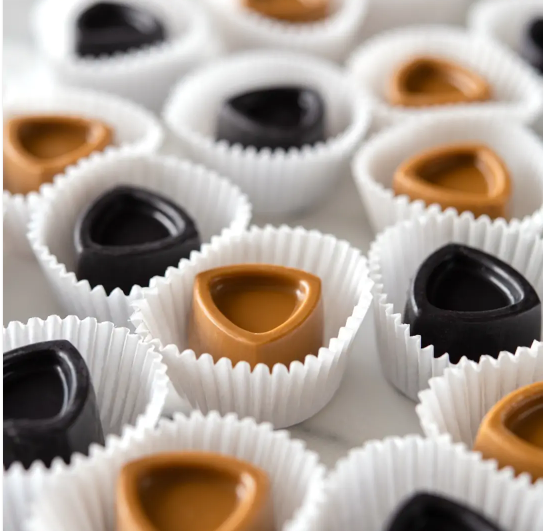
GNT Says Natural Candy Color Is Harder Than It Looks
GNT's Alice Lee breaks down why natural candy coloring agents demand more technical precision than synthetic alternatives ever did.

Natural candy coloring agents sound simple. They are not. Snack & Bakery sat down with Alice Lee, technical marketing manager at GNT USA, to expose the formulation realities operators rarely discuss publicly.
TLDR
- Natural pigments behave very differently from synthetic dyes in candy matrices.
- pH, heat, and moisture all destabilize plant-based color systems.
- GNT’s EXBERRY line targets both natural and certified organic candy segments.
- Formulators must test early; retrofitting color is costly and slow.
- Consumer demand for clean labels is pushing reformulation timelines forward.
Why Natural Candy Coloring Agents Complicate Formulation
Synthetic dyes are predictable. Natural candy coloring agents are not. Lee told Snack & Bakery that plant-based pigments react to heat, light, pH shifts, and water activity in ways that can derail a finished product fast.
Specifically, high-boiled candies present the biggest challenge. Temperatures exceeding 150°C can degrade anthocyanins and other heat-sensitive pigments. Formulators cannot simply swap synthetic for natural and expect identical results.
GNT’s EXBERRY concentrates are derived from fruits, vegetables, and plants. The line covers both natural and certified organic positioning, giving manufacturers flexibility across retail channels.
Matching Color Systems to Candy Matrices
Lee emphasized that matrix compatibility drives every color decision. A pigment stable in a gummy may fail completely in a hard candy or a panned confection.
Additionally, pH is a critical variable. Anthocyanin-based colors shift from red to purple to blue as pH rises. Operators targeting a specific hue must lock down their acid system first, then select color.
Water activity matters too. Low-moisture environments can concentrate pigments unpredictably. GNT recommends early-stage color trials, not late-stage adjustments, to avoid reformulation costs.
The organic segment adds another layer of complexity. Certified organic color sources must meet USDA National Organic Program standards, limiting the available palette further. However, Lee noted that the organic candy category is growing fast enough to justify the added development investment.
Retailers are tightening their clean-label requirements. Manufacturers who delay natural color transitions risk losing shelf placement.
Source: Snack & Bakery. https://www.snackandbakery.com/articles/109054-gnt-on-using-coloring-agents-with-natural-and-organic-candy