Are the Feds Coming After Walmart’s ‘Plant-Based’ Milk?
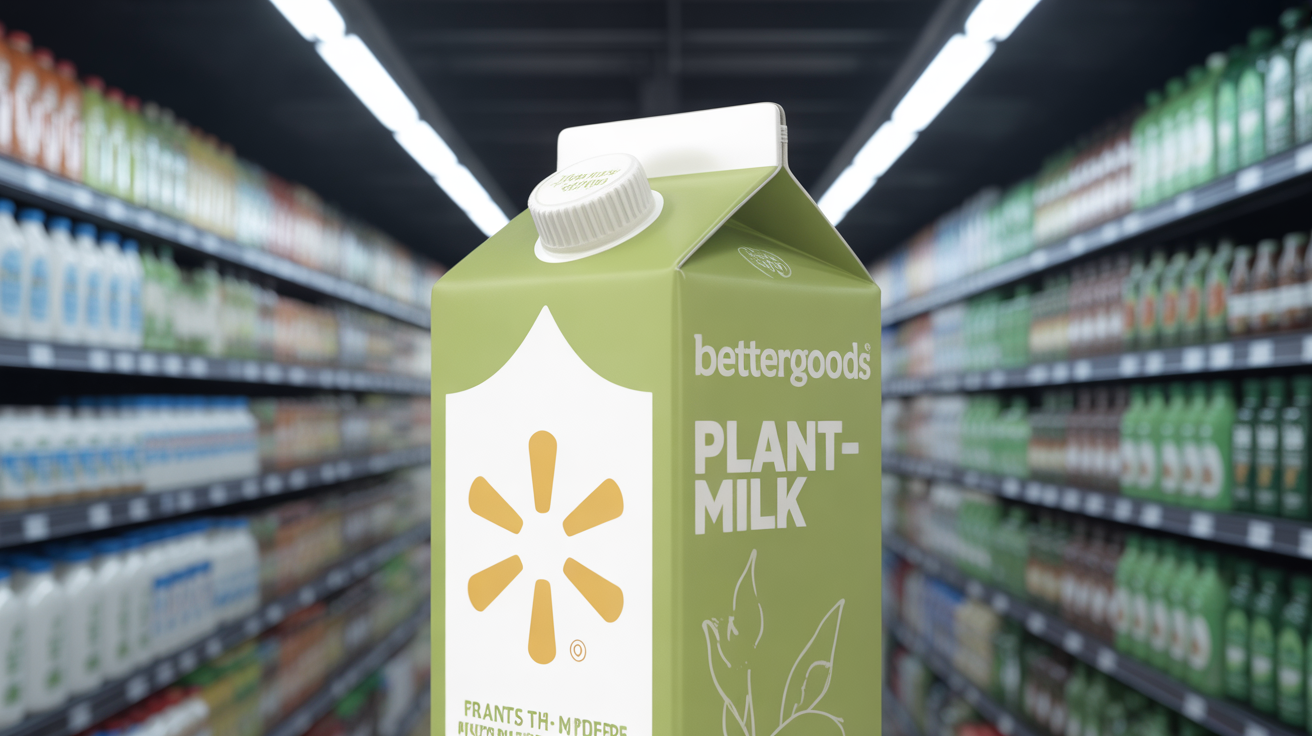
A $5M class-action targets Walmart's Bettergoods line, alleging its plant-based milk labeling deceives consumers about animal-derived additives.

Walmart’s Bettergoods brand just became a $5 million problem. A new class-action lawsuit, reported by Green Queen, alleges the world’s largest retailer is deceiving shoppers with plant-based milk labeling that obscures inorganic or animal-derived ingredients. For food manufacturers and private-label suppliers, this case is a warning shot.
The Plant-Based Milk Labeling Lawsuit Taking Aim at Walmart
Walmart’s Bettergoods line markets several non-dairy milks as ‘plant-based.’ The lawsuit argues that label is misleading. Specifically, plaintiffs allege some products contain inorganic or animal-derived additives that contradict the plant-based claim on the front of pack.
This is not a minor technicality. Front-of-pack claims like ‘plant-based’ carry significant consumer expectation. Shoppers choosing these products often do so for dietary, ethical, or allergen-related reasons.
What This Means for Plant-Based Suppliers and Retailers
The case puts ingredient sourcing and label review squarely in the spotlight. Retailers carrying plant-based SKUs, especially private-label operators, now face heightened legal exposure if additive sourcing is ambiguous or undisclosed.
Significant. The plant-based milk labeling lawsuit against Walmart signals a broader shift in consumer litigation. Plaintiffs’ attorneys are increasingly fluent in ingredient sourcing. They know the difference between a vitamin D2 and a vitamin D3 derived from lanolin.
Additionally, this case arrives as the FDA has yet to establish a formal federal definition for ‘plant-based.’ That regulatory gap is exactly what litigation exploits. Suppliers and co-manufacturers should audit ingredient declarations now, before a lawsuit does it for them.
For more on clean-label accountability trends shaping food manufacturing, visit The Future of Food. Full case details are available via Green Queen’s original reporting.
Source: Green Queen. https://www.greenqueen.com.hk/walmart-bettergoods-plant-based-milk-label-lawsuit/