
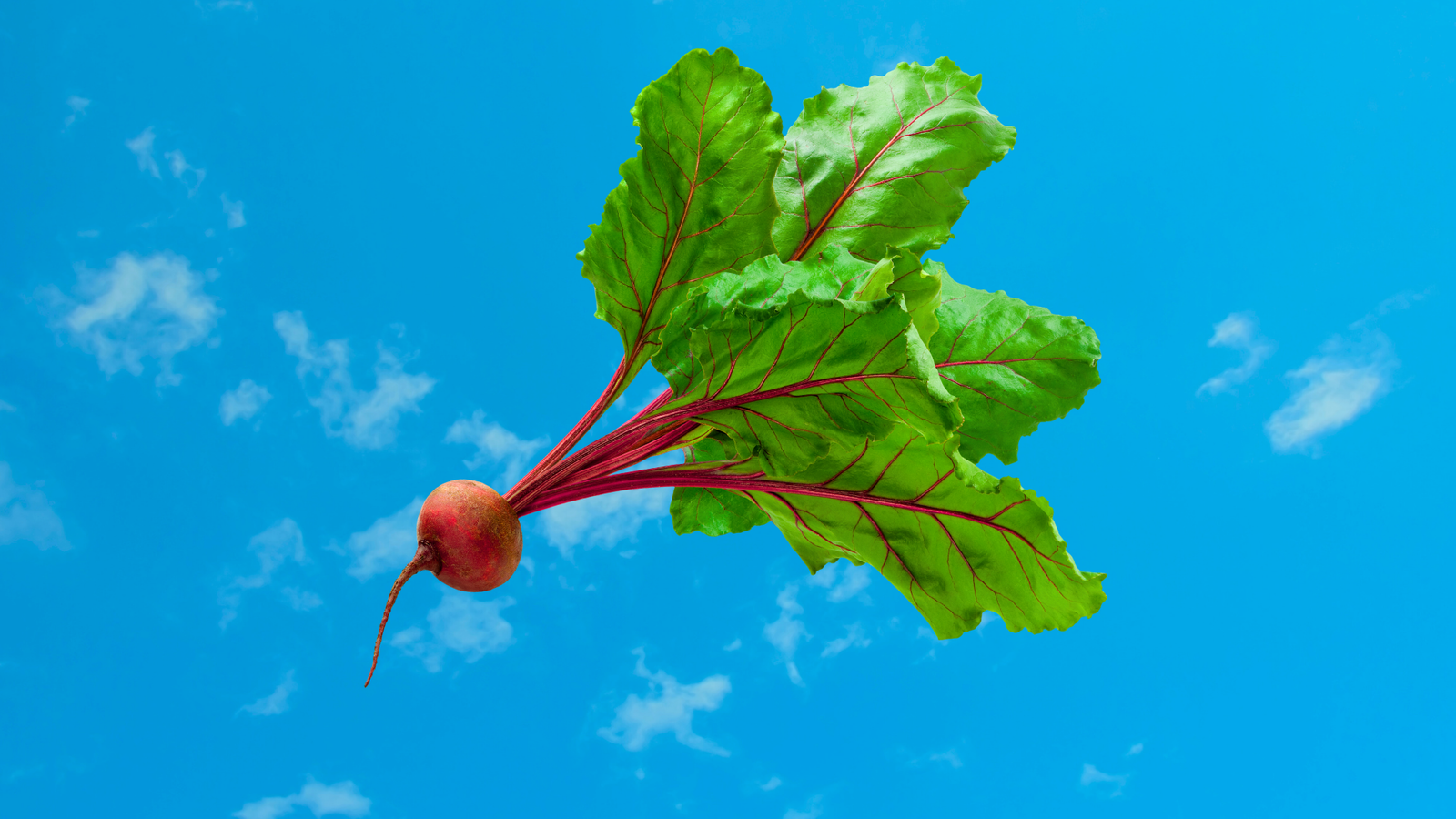

Beetroot red, a brand-new color additive, was officially approved for use in human foods. It joins a growing list of natural alternatives the agency has greenlit as it accelerates the phase-out of petroleum-based synthetic dyes ahead of the December 2027 deadline.
But here’s the thing many R&D teams are going to miss: beetroot red is not the same as beet powder or beetroot juice concentrate. Not even close. And that distinction matters enormously when you’re reformulating under pressure.
Two Different Things — Same Root Vegetable
Standard beetroot (21 CFR 73.40), what the industry has used for decades, is dehydrated beet powder. You grow Beta vulgaris, harvest it, dry it, grind it. The active pigment is betanin. It’s a direct extract from the plant. Simple supply chain, familiar to most procurement teams. But it carries the full complexity of the beet: sugars, earthy flavor compounds, moisture sensitivity, variable pigment concentration depending on harvest and season.
Beetroot red (21 CFR 73.39) is something else entirely. It’s made through precision fermentation. A genetically engineered strain of Saccharomyces cerevisiae (baker’s yeast) is programmed with beet genes to biosynthesize betanin directly. No beet farm required. The yeast produces the pigment in a controlled bioreactor. You get a consistent, concentrated, purified betanin product, in liquid or powder form, with significantly tighter specs and no seasonal variability.
Same principal colorant. Completely different manufacturing origin.
The Pros and Cons… Honestly
Standard Beetroot (Beet Powder / 21 CFR 73.40)
Pros: Well understood by regulators, suppliers, and buyers. Wide supply base. No GMO labeling questions. Familiar to consumers. Cost-effective at scale. Works in a range of applications from beverages to snacks to dairy.
Cons: Earthy, vegetal flavor carry-through. Color is pH-sensitive and heat-sensitive — it can shift from deep red to brown during baking or retort processing. Pigment concentration varies by crop year and growing region. Moisture management in powder form requires care. Not ideal for neutral- or sweet-flavor profiles where beet taste intrudes.
Beetroot Red (Fermentation-Derived / 21 CFR 73.39)
Pros: Dramatically higher pigment concentration and purity. Consistent batch-to-batch performance. No agricultural variability. Lower use levels needed to hit target color. Cleaner flavor profile; the fermentation process removes the plant matrix that carries earthy notes. Scalable without being tied to crop yields or geographic supply chains. Built for precision reformulation.
Cons: It’s a GMO-derived ingredient. That creates label and marketing complexity, particularly in natural and clean-label segments. Consumer perception risk in some channels. Regulatory approval is fresh — there are still no USDA-regulated product approvals (meat, poultry, and eggs are excluded). Cannot be used in infant formula or foods with existing standards of identity unless those standards are updated. Newer supply chain, fewer qualified suppliers in the market today. Premium price point vs. conventional beet powder.
What This Means for R&D Teams Reformulating Right Now
The December 2027 FDA deadline is not a distant threat. It’s 21 months away. For most CPG companies, that means formulation lock is happening now or in the next few quarters. The window to experiment is closing fast.
Here’s where it gets complicated. Teams already using beet powder have a known quantity. Performance data exists. Supplier relationships are in place. The question is whether that existing solution holds up across the full product portfolio — especially in heat-processed, acidic, or flavor-sensitive applications.
Beetroot red changes the math. Higher pigment concentration means lower use rates. That can simplify formulation and reduce flavor carry-through. But it also introduces new supplier qualification cycles, allergen and GMO label reviews, and application testing from scratch.
Neither option is automatically right. The right choice depends on the application — the pH environment, processing temperature, desired color intensity, label positioning, and target retail channel. That’s not a one-size-fits-all decision. It’s a decision that should be made with real data on what each alternative actually delivers in your specific system.
Most R&D teams are making these calls with incomplete information, tight timelines, and a shortlist of reps telling them what they want to hear.
The Problem DyeConverter™ Was Built to Solve
DyeConverter is an AI-powered predictive reformulation intelligence platform. It maps natural color alternatives (including beet-derived options like standard beetroot and the newly approved beetroot red) against your specific application parameters.
Not generic recommendations. Actual performance predictions based on 15,000+ SKUs mapped and 1M+ verified data points across FDA, EFSA, Codex, Health Canada, and JECFA regulatory frameworks.
If your team is staring at a reformulation deadline and trying to decide between beet powder, beetroot red, and a dozen other red and pink alternatives, that’s exactly what DyeConverter is designed for. It narrows the field fast. It identifies which options are regulatory-compliant for your application, performs in your processing conditions, and aligns with your label goals.
To explore DyeConverter and see how it maps your reformulation options, visit dyeconverter.com.
Sources
FDA Press Release — “FDA Takes New Approach to ‘No Artificial Colors’ Claims,” February 5, 2026. fda.gov/news-events/press-announcements/fda-takes-new-approach-no-artificial-colors-claims
Federal Register — “Listing of Color Additives Exempt From Certification; Beetroot Red,” Vol. 91, No. 24, pp. 5295-5299, February 6, 2026. Docket No. FDA-2024-C-1085. federalregister.gov/d/2026-0231321 CFR 73.39 — Beetroot Red (new regulation, effective March 23, 2026)
21 CFR 73.40 — Dehydrated Beets (Beet Powder), existing regulation
FDA Color Additives — Consumer Information Page, updated February 5, 2026. fda.gov/food/food-ingredients-packaging
AP News — “FDA relaxes rules for food labels that claim ‘no artificial colors,'” February 5, 2026. apnews.com