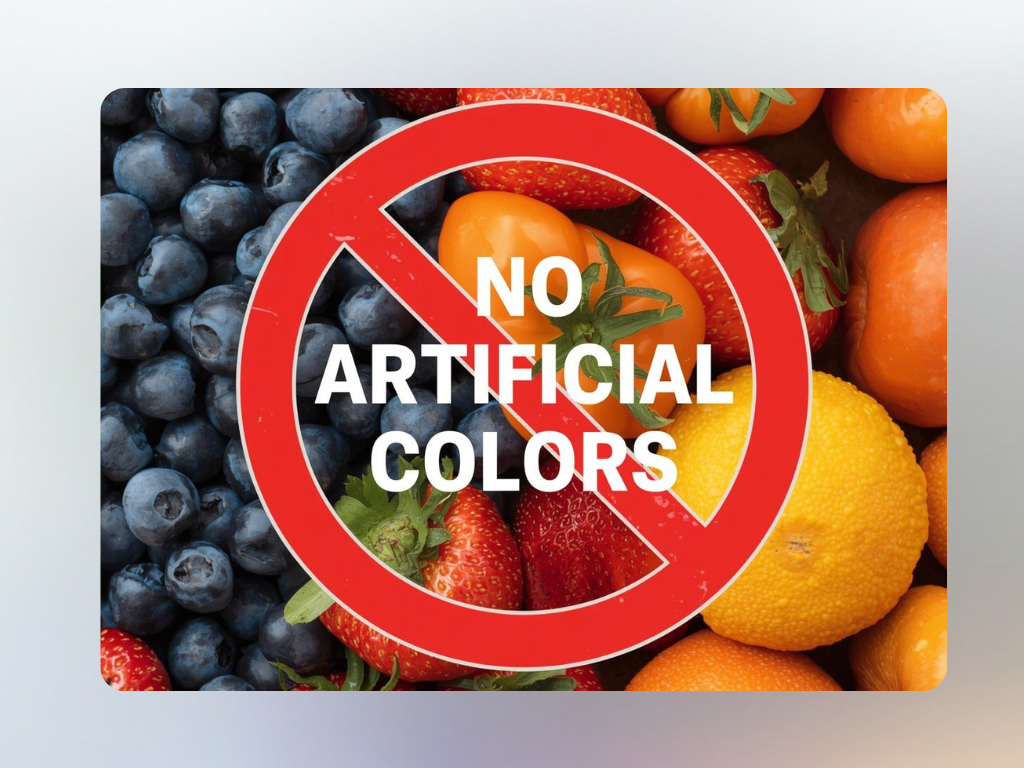
The FDA has announced that food products can now carry labels like “no artificial colors” even if they contain naturally derived dyes, as long as they’re free of synthetic, petroleum-based dyes. It’s a small but significant shift in how food labels are allowed to work.
tldr
- Products with natural dyes can now use “no artificial color” claims, as long as they are not synthetic.
- This is an enforcement policy change only. It doesn’t protect companies from state regulators.
- Consumer advocacy groups and plaintiffs’ attorneys are already raising concerns about how this could be misused.
Here’s the important fine print: the FDA isn’t actually changing the law. Instead, it’s saying it won’t actively pursue companies that use naturally derived dyes while still claiming “no artificial colors.”
The legal standard for what counts as misleading labeling hasn’t changed, and companies can still be sued over it.
Want more on this topic?
Lauren Handel, food business attorney for Handel Law, will be speaking on this topic at the Clean Food Forum on February 19th. It is a virtual event, and registration is free. Sign up at CleanFoodForum.org
That’s a real risk. According to an announcement on JD Supra, lawyers have noted that plaintiffs could argue the FDA’s own decision to exercise “discretion” suggests these labels could mislead consumers, particularly shoppers who assume “no artificial colors” means no added color at all.
There’s also concern that additives like titanium dioxide could sneak into products carrying these claims. But food industry analysts say even though titanium is technically a naturally derived source, it is banned for food use in many non-U.S. markets and already on the chopping block for the next round of U.S. bans.
On top of that, federal policy doesn’t override state laws. Texas, Louisiana, West Virginia, and other states each have their own rules around color additives: different definitions, different disclosure requirements, and different timelines. Manufacturers selling nationally have to navigate all of them at once.
For food companies, the practical steps are clear:
1. Review your formulations and labels against both federal and state requirements.
2. Document where your ingredients come from and why your color claims hold up.
3. Keep an eye on state legislation and active lawsuits.
4. Make sure your legal and marketing teams are working together before anything goes on a label.
Companies that move away from petroleum-based dyes now could gain real marketing advantages, but only after getting their compliance in order.
Want more on this topic?
Source: JD Supra / Skadden; AP News