Chipotle’s Transparency Problem
The fast-casual chain's new campaign highlights fresh ingredients amid growing consumer demand for transparency and sustainability in food sourcing.

The fast-casual chain’s new campaign emphasizes fresh ingredients and transparency, but can Chipotle’s marketing overcome a decade-long trail of broken promises, food safety scandals, and questionable sourcing practices?
As competition intensifies in the fast-casual dining sector, Chipotle’s new ad campaign, ‘Choices,’ positions fresh, made-to-order meals against processed alternatives. The brand’s Chief Marketing Officer emphasizes how this approach addresses evolving consumer expectations—but the campaign raises a critical question: Can slick advertising rebuild trust that years of transparency failures have eroded?
tldr
→ Chipotle’s latest ad emphasizes fresh ingredients over processed foods.
→ The campaign aligns with consumer demands for transparency in sourcing.
→ Past controversies include GMO mislabeling, hidden outbreaks, and a record $25 million criminal fine.
A Campaign Built on “Transparency”—From a Company That Kept Secrets
The new campaign features stark visuals contrasting Chipotle’s daily food preparation with images of frozen products typical in fast food. This strategy positions the brand firmly within a growing consumer trend favoring transparency and clean-label offerings.
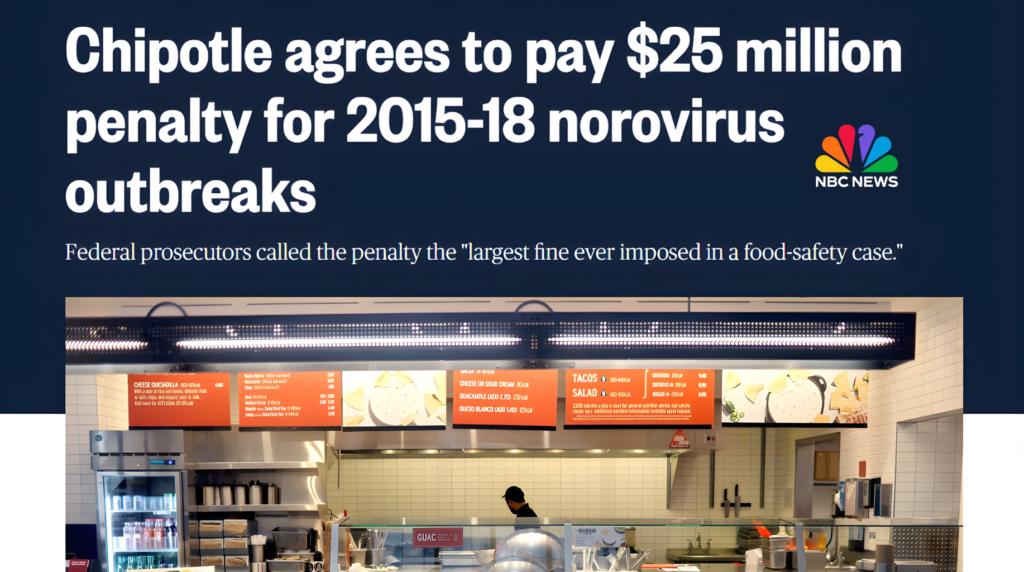
Yet Chipotle’s transparency track record tells a different story. Between 2014 and 2016, the company experienced 14 foodborne illness outbreaks affecting hundreds of customers—but only publicly disclosed six of them. A stockholders’ lawsuit revealed that Chipotle executives participated in CDC conference calls about an E. coli outbreak as early as December 2014, yet never informed investors or the public.
In 2020, Chipotle paid a record $25 million fine—the largest ever in a food safety case—to resolve criminal charges related to these outbreaks involving E. coli, norovirus, and Clostridium perfringens. The incidents weren’t just operational failures; they exposed a pattern of concealment that directly contradicts the company’s current “transparency” messaging.
The GMO Deception
Chipotle’s trust problem extends beyond food safety. In 2015, the company heavily promoted its “non-GMO” credentials in national advertising campaigns. But lawsuits quickly followed, alleging that meat from animals fed GMO grains, dairy products made with GMO-fed cows, and soft drinks containing high-fructose corn syrup undermined these claims. The company’s definition of “non-GMO” was selective at best, misleading at worst.
Labor Practices That Undermine Food Safety
A 2020 report by the National Consumers League and SEIU uncovered another troubling dimension to Chipotle’s operations: a management bonus system that “incentivizes cutting corners.” Managers could earn up to 25% above base pay by keeping labor and food costs low, creating pressure that led to understaffing and safety violations.
Workers reported being encouraged to come to work sick and that food safety protocols were only strictly enforced when inspections were anticipated. This isn’t just a labor issue—it’s a direct threat to the food safety that Chipotle now claims as its competitive advantage.
Questions About Sourcing Remain
While Chipotle markets its commitment to antibiotic-free meat and responsibly sourced ingredients, investigations have raised questions about supplier practices. Reports have also revealed the use of certain additives in tortillas and other menu items that contradict the chain’s “real ingredients” positioning.
Can Marketing Overcome Reality?
In recent years, diners have increasingly sought out restaurants that prioritize fresh, high-quality ingredients. Chipotle’s CMO notes that the ad reflects a commitment to these values, which resonate strongly with their target market.
But as more consumers choose restaurants based on ingredient integrity, they’re also becoming more sophisticated about corporate greenwashing and selective transparency. Chipotle aims to differentiate itself from competitors, yet its own history of concealment, mislabeling, and systematic failures in food safety oversight makes those claims ring hollow.
As operators and suppliers adapt to these trends, the emphasis on sustainability and ethical sourcing becomes crucial in shaping marketing narratives. With the rise of awareness around food origins, Chipotle’s focus on its core mission may serve as a template for other brands navigating similar challenges—or as a cautionary tale about the gap between marketing and reality.
The Bottom Line
By showcasing its dedication to fresh ingredients, the chain not only attempts to strengthen its brand identity but also aligns itself with the values of modern consumers. Ultimately, the ‘Choices’ campaign signals a strategic response to the competitive pressures within the industry.
The question isn’t whether the chain can produce compelling advertisements; it clearly can. The question is whether a decade of transparency failures and food safety scandals has permanently damaged the trust that no marketing campaign can rebuild.
*Source: restaurantdive.com, Food Safety News, thecounter.org, National Consumers League*