Unilever’s $40B Food Merger Is Already Backfiring
The Unilever foods merger backlash is real: investors are spooked, employees are worried, and the $40bn McCormick deal is under immediate scrutiny.

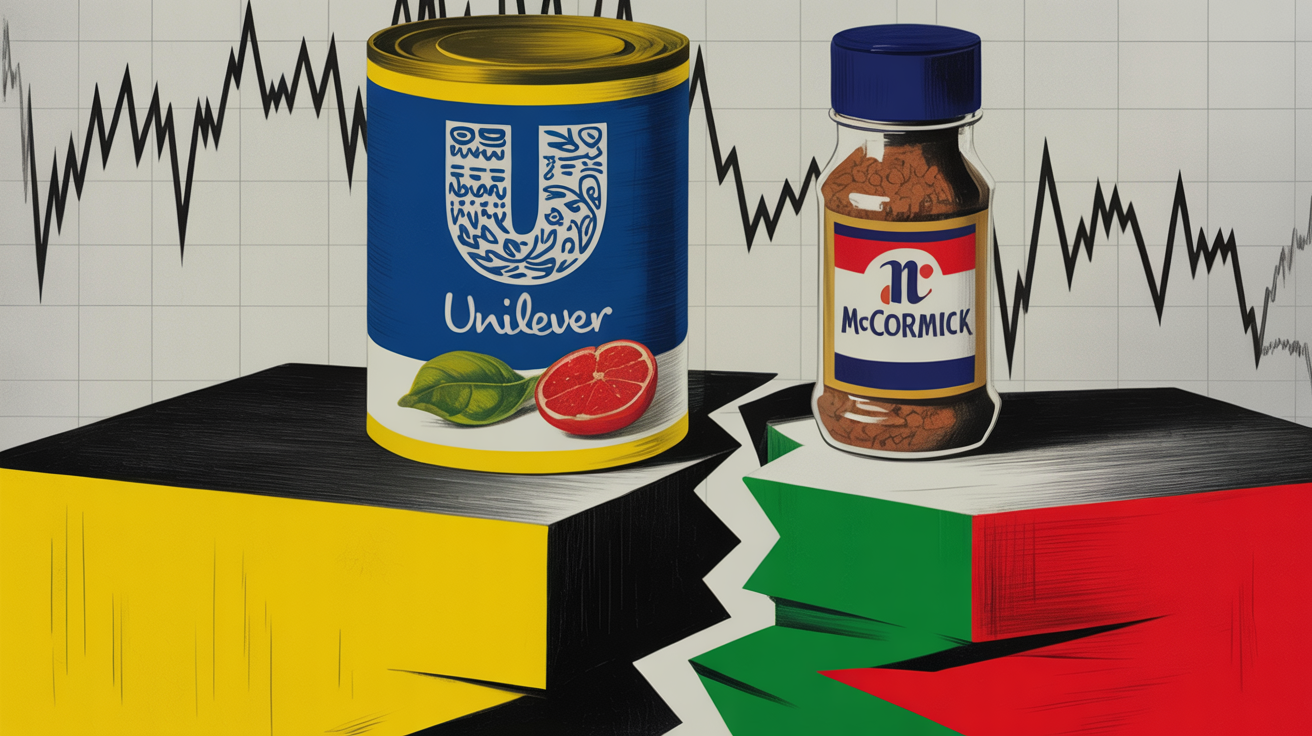
Unilever’s $40bn planned merger with McCormick was supposed to signal bold strategic focus. Instead, it has triggered immediate market skepticism and internal unease. The Unilever foods merger backlash is arriving faster than most restructurings of this scale typically see.
TLDR
- Investors pushed back hard on Unilever’s $40bn McCormick merger announcement.
- Employee concern signals internal confidence is already fragile.
- Value creation logic remains unproven and under scrutiny.
- Deal raises broader questions about food-sector consolidation risks.
- Strategy clarity, not deal size, will determine long-term outcomes.
Unilever Foods Merger Backlash Hits Markets Fast
FoodNavigator reports that Unilever’s plan to merge its foods division with McCormick in a $40bn deal has not landed well. Markets responded with skepticism almost immediately after the announcement. That reaction matters: investor confidence shapes deal momentum, financing terms, and integration timelines.
The core concern is value creation. Critics question whether combining these two businesses produces synergies that justify the price. Significant. Unilever has faced persistent pressure to simplify its portfolio, but scale alone does not resolve strategic drift.
Additionally, the timing raises flags. Unilever has been restructuring for years. Another major transaction adds complexity before prior changes have fully settled. Suppliers and co-manufacturers working with either brand should watch integration planning closely.
What This Means for Food-Industry Operators
Employee concern is not a soft metric. Retention risk during large mergers directly affects production continuity, quality systems, and customer relationships. Operators downstream from Unilever or McCormick supply chains should begin contingency conversations now.
The deal also reflects a wider industry pattern. Large CPG companies are shedding or consolidating food assets under margin pressure. However, consolidation at this scale introduces regulatory review risk, particularly in the EU and North America. The Future of Food has tracked how similar mega-mergers have reshaped supplier leverage and retail shelf dynamics.
Watch this. If the deal clears regulatory hurdles, the combined entity would control significant seasoning, sauce, and ambient food categories globally. For ingredient suppliers and private-label manufacturers, that concentration changes negotiating dynamics fast. Read the full FoodNavigator analysis here: Unilever’s $40bn food merger raises red flags.
Source: FoodNavigator. https://www.foodnavigator.com/Article/2026/04/22/unilevers-40bn-foods-deal-sparks-investor-and-employee-backlash/