The U.S. Food Imports Climb to 20% of Consumption, with Mexico, Canada, and EU
The U.S. food import supply now covers one-fifth of consumption, with Mexico, Canada, and the EU driving the bulk of volume.

The U.S. food import supply now covers one-fifth of consumption, with Mexico, Canada, and the EU driving the bulk of volume.
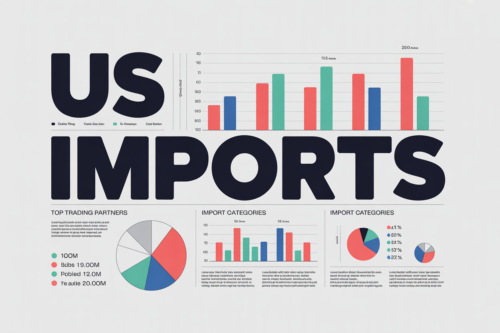
The U.S. food import supply has reached 20 percent of total national consumption, according to Food Safety News. Horticultural products, seafood, and specialty foods lead the mix, with three trading partners dominating sourcing.
TLDR
- One in five U.S. food dollars traces to imports.
- Mexico, Canada, and EU control most import volume.
- Horticultural and seafood categories carry highest exposure.
Why the U.S. Food Import Supply Scale Matters to Operators
One-fifth of American food now originates outside U.S. borders. That share creates concentrated risk for manufacturers, retailers, and foodservice buyers who depend on consistent, compliant supply chains.
Horticultural products represent the largest import category. Fresh produce sourced from Mexico and Canada moves in high volumes year-round, making North American trade policy a direct operational variable.
Seafood adds another layer of complexity. Global sourcing networks for fish and shellfish span dozens of countries beyond the top three partners, raising traceability and compliance demands.
Specialty foods round out the dominant categories. European Union suppliers anchor this segment, particularly for processed, fermented, and artisan products with strict origin designations.
Sourcing Concentration and Regulatory Exposure
Three partners, Mexico, Canada, and the EU, supply the majority of U.S. import volume. That concentration means any tariff shift, border disruption, or bilateral policy change carries outsized supply chain consequences.
Additionally, FDA oversight of imported food has intensified under FSMA’s Foreign Supplier Verification Program. Importers bear legal responsibility for verifying that foreign suppliers meet U.S. safety standards.
Specifically, operators sourcing horticultural goods face produce safety rule requirements tied to water quality, worker hygiene, and environmental monitoring. Non-compliance by a foreign grower can halt an importer’s entire program.
In short, scale and concentration together amplify risk. Operators should audit supplier verification records and contingency sourcing options now, before disruptions force reactive decisions. Learn more about supply chain resilience strategies at The Future of Food. Full context is available from Food Safety News.
Source: Food Safety News. https://www.foodsafetynews.com/2026/03/sunday-edition-food-imports/